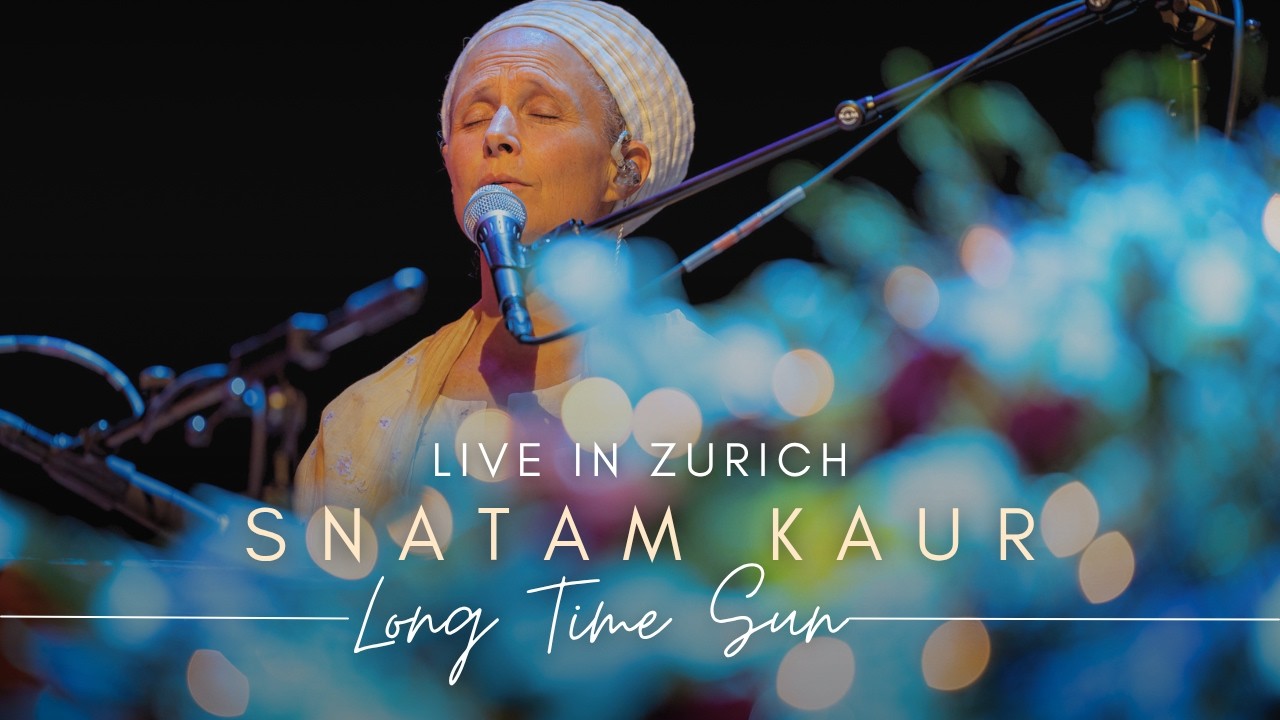
This live kirtan performance from Barcelona 2006 features Snatam Kaur, Guru Ganesha Singh, and Manish Vyas in a devotional chanting session. Kirtan is a form of mantra-based singing rooted in Kundalini yoga and bhakti (devotion) practice. The performers use call-and-response patterns, traditional instruments, and cyclical melodies to invite collective participation, creating a meditative and heart-centered experience that blends sacred sound with spiritual intention.
What is kirtan and how does it work as a spiritual practice?
Kirtan is a centuries-old devotional practice from yoga and Hindu traditions in which participants sing mantras—sacred sound formulas—together. Unlike performance-based concerts, kirtan invites active participation from the audience. The structure typically follows a call-and-response format: a lead singer (or group of singers) chants a phrase or mantra, and the audience repeats it back. This cyclical exchange continues, often building in intensity and emotional resonance over time.
The practice works through repetition, rhythm, and vocal vibration. Practitioners believe that sacred sounds—particularly Sanskrit mantras—carry specific frequencies and spiritual qualities. When chanted repeatedly, these sounds are believed to affect consciousness, dissolve mental patterns, and open the heart. Kirtan sessions often last 20 minutes to an hour or more, with the cumulative effect of chanting creating an altered state of awareness and group coherence.
Who are the musicians featured in this Barcelona performance?
Snatam Kaur is a Grammy-nominated singer-songwriter known for her work in Kundalini yoga music and kirtan. Her voice—clear, soulful, and precise—has made her one of the most recognized kirtan artists in the Western yoga world. She often performs original compositions alongside traditional mantras, blending ancient devotional forms with contemporary musical arrangements.
Guru Ganesha Singh is a kirtan artist, musician, and teacher who specializes in call-and-response chanting. His deep voice and rhythmic command help anchor group chanting, and his musicianship extends across tabla (Indian drums), harmonium, and other traditional instruments. He brings both technical skill and spiritual depth to live performances.
Manish Vyas contributes as a musician and accompanist, often playing keys or providing harmonic support. Together, these three create a complete sonic environment for the kirtan experience—combining melody, rhythm, and harmonic texture that supports the listener's journey into meditative states.
How does kirtan relate to Kundalini yoga and Ram Dass teachings?
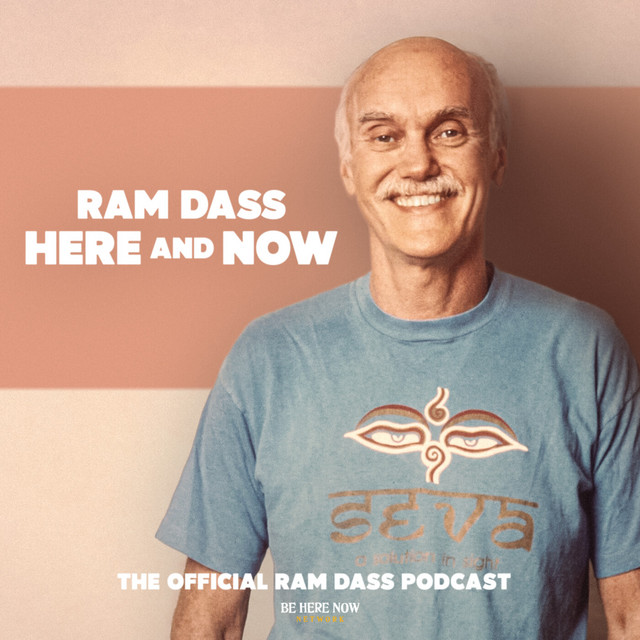
This performance is shared through Ram Dass's platform, reflecting the deep connection between kirtan and the lineage of Kundalini yoga teaching. Ram Dass (formerly Richard Alpert) was a pioneering American spiritual teacher who spent decades bridging Eastern practices—particularly yoga, bhakti devotion, and mantra practice—with Western consciousness and psychology.
Kundalini yoga, as taught by Yogi Bhajan (whose lineage produced many modern kirtan artists including those in this tradition), emphasizes the awakening of subtle energy through pranayama (breath work), asana (postures), and mantra (sacred sound). Kirtan serves as the devotional heart of this practice—it activates what practitioners call the heart chakra (anahata), cultivates emotional openness, and connects individual consciousness to a larger spiritual reality.
Ram Dass encouraged what he called "opening the heart" and moving beyond ego-driven consciousness. Kirtan aligns perfectly with this teaching: through the repetitive, participatory nature of group chanting, individual identity softens, and the experience of unity becomes visceral rather than intellectual.
What spiritual benefits does devotional chanting offer?
Kirtan practitioners and teachers describe several overlapping benefits. On a physiological level, sustained chanting affects the vagus nerve and parasympathetic nervous system, reducing stress and creating a state of calm alertness. The rhythmic pattern of breathing and vocalization naturally slows heart rate and blood pressure.
Psychologically, the repetition of sacred words interrupts habitual thought patterns. In Kundalini yoga teaching, this creates a space for healing of emotional wounds and release of stored trauma. The group environment amplifies this effect—participants often report feeling "held" by the collective energy, which can facilitate emotional release or opening.
Spiritually, kirtan is understood as a form of bhakti yoga—the yoga of devotion. Rather than approaching the divine through intellect (jnana yoga) or action (karma yoga), bhakti uses emotion, song, and the heart as the gateway. Mantras like "Sa Ta Na Ma" (a foundational Kundalini yoga mantra) or "Sat Nam" (truth is my name) carry metaphysical intention—not as belief, but as vibrational technology that transforms consciousness through repetition and surrender.
How does live performance enhance the kirtan experience?
A recorded or solitary kirtan session differs significantly from a live group performance. When participants gather in a room with skilled musicians leading the chant, several dimensions deepen:
- Resonance and coherence: The collective voice creates a unified vibrational field. Neuroscience research on group singing shows that synchronized vocalization creates measurable coherence in heart-rate variability and brain wave patterns across participants.
- Energy transmission: In yogic terms, a skilled kirtan leader transmits shakti (divine energy or presence) to the group. This is not metaphorical—musicians who train deeply in mantra and meditation develop a quality of presence that directly affects the group field.
- Responsiveness and improvisation: Live musicians can feel the room's energy and adjust the chant accordingly. They might slow down to deepen the meditation, speed up to build energy, or modulate the melody to match the collective emotional state.
- Permission and invitation: Hearing skilled singers sing with full voice and open hearts gives permission for participants to do the same. This is especially powerful in Western contexts where public emotional expression is often suppressed.
What role does the Barcelona setting play in this particular event?
Hosting a kirtan performance in Barcelona—a vibrant European city with a growing yoga and conscious community—reflects the globalization of these once-geographically-specific practices. The early 2000s marked a turning point when Kundalini yoga and kirtan began gaining traction outside South Asian diaspora communities and dedicated yoga centers.
Public kirtan performances in major cities made this practice accessible to seekers who might not have access to yoga centers or ashrams. A live event like this one documented and shared online (now available through Ram Dass's channel) extended its reach even further, introducing the practice to people who would never attend in person.
How can listeners engage with kirtan on their own?
While group experience is powerful, kirtan can be practiced individually or in small groups. Many people listen to recordings of Snatam Kaur, Guru Ganesha Singh, and other kirtan artists while meditating, cooking, or driving. The practice requires no special equipment or belief system—simply singing or listening with genuine intention is enough to access the practice's benefits.
For those interested in exploring further, many yoga centers, meditation apps, and online platforms now offer kirtan classes, both live and recorded. The key principle is participation rather than passive consumption: the more actively one engages the voice and heart in the chanting, the more transformative the experience tends to be.
Where to go from here
To deepen your engagement with kirtan and related practices, consider exploring recordings of Snatam Kaur and Guru Ganesha Singh individually to develop familiarity with different musical styles and mantras. Research Kundalini yoga centers in your area that offer kirtan classes, or explore online platforms that provide guided group chanting sessions. Reading about mantra philosophy in texts like the Yoga Sutras of Patanjali or teachings from Ram Dass will contextualize the practice within a larger spiritual framework. Finally, attend a live kirtan performance if possible—the group field and real-time energy transmission cannot be fully replicated through audio alone.